
Conditions we treat

KIDNEY

HYPERTENSION

Hypertension (HTN or HT), also known as high blood pressure (HBP), is a long term medical condition in which the blood pressure in the arteries is persistently elevated.High blood pressure usually does not cause symptoms. Long term high blood pressure, however, is a major risk factor for coronary artery disease, stroke, heart failure, peripheral vascular […]
View more

URINARY TRACT INFECTION

A urinary tract infection, or UTI, occurs when bacteria enter the urinary tract and cause inflammation. The urinary tract consists of your kidneys, the tubes that go from the kidneys to your bladder, and the tube that carries urine to the outside when you urinate. Urine inside the urinary tract is normally sterile, but if […]

View more

GOUT

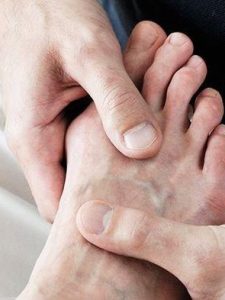
Gout is characterized by sudden, severe attacks of pain, redness and tenderness in joints, often the joint at the base of the big toe. Gout — a complex form of arthritis — can affect anyone. Men are more likely to get gout, but women become increasingly susceptible to gout after menopause. Gout is caused by […]

View more

RENAL STONE (CALCULI)

Kidney stones, or renal calculi, are solid masses made of crystals. Kidney stones usually originate in your kidneys, but can develop anywhere along your urinary tract. The urinary tract includes the kidneys, ureters, bladder, and urethra. Kidney stones are known to be one of the most painful medical conditions. The causes of kidney stones vary […]

View more

NEPHROTIC SYNDROME

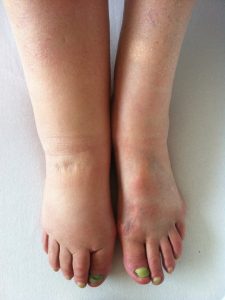
Nephrotic syndrome is a kidney disorder that causes your body to excrete too much protein in your urine.NEPHROTIC SYNDROMENephrotic syndrome is usually caused by damage to the clusters of small blood vessels in your kidneys that filter waste and excess water from your blood. Nephrotic syndrome causes swelling (edema), particularly in your feet and ankles, […]

View more

NEPHRITIC SYNDROME

Nephritic syndrome (or acute nephritic syndrome) is asyndrome comprising signs of nephritis, which is kidney diseaseinvolving inflammation. It often occurs in glomerulonephritis, which is characterized by a thin glomerular basement membrane and small pores in the podocytes of the glomerulus, large enough to permit proteins and red blood cells to pass into the urine (yieldingproteinuria […]

View more

NOCTURNAL ENURESIS

Nocturnal enuresis or night time urinary incontinence, commonly called bedwetting or sleep wetting. Nocturnal enuresis (bedwetting): involuntary wetting during sleep without any inherent suggestion of frequency of bedwetting or pathophysiology. Children with nocturnal enuresis may have excessive nocturnal urine production, poor sleep arousal and/or reduced bladder capacity. Children with nocturnal enuresis may also have daytime […]

View more

CYSTITIS

Cystitis is the medical term for inflammation of the bladder. Most of the time, the inflammation is caused by a bacterial infection, and it’s called a urinary tract infection (UTI). A bladder infection can be painful and annoying, and it can become a serious health problem if the infection spreads to your kidneys. Cystitis affects […]

View more

STRESS INCONTINENCE

Stress incontinence is the unintentional or uncontrollable leakage of urine. Stress incontinence happens when physical movement or activity — such as coughing, sneezing, running or heavy lifting, vigorous — puts pressure (stress) on your bladder. Stress incontinence is not related to psychological stress. STRESS INCONTINENCE Stress incontinence differs from urge incontinence, which is the unintentional […]

View more

GASTRITIS

Gastritis is defined as the inflammation of the inner lining of the stomach. This may be caused due to various reasons and the condition has become rampant with today’s stressful and modernized life.Unfortunately, the term “gastritis” has been misused to include many different upper abdominal problems, but true gastritis refers to the stomach lining (gastric […]

View more