Conditions we treat

GASTRIC

ACIDITY

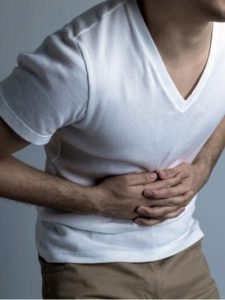
Acidity is a set of symptoms caused by excess production of acid by the gastric glands of the stomach. Your stomach naturally produces gastric or hydrochloric acid (HCl) to help digest and break down food. Acidity issues arise when there is excess production of this acid due to triggers such as acidic foods, alcohol, dehydration […]

View more

ABDOMINAL COLIC

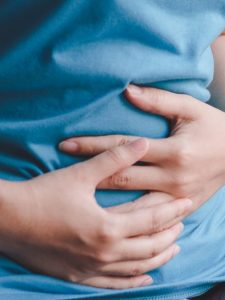
A condition characterized by intense cramping or colicky pain, which may be accompanied by nausea and vomiting. Types include: Baby colic, a condition, usually in infants, characterized by incessant cryingRenal colic, a pain in the flank, characteristic of kidney stonesBiliary colic, blockage by a gallstone of the common bile duct or cystic ductHorse colic, a potentially fatal condition experienced by horses, caused by intestinal displacement or blockageDevon colic, an affliction […]

View more

CHRONIC DIARRHOEA

Diarrhoea is defined as the abnormal passage of loose or liquid stools more than three times daily and/or a volume of stool greater than 200 g/day. There is no agreement on the duration of symptoms that define chronic as opposed to acute diarrhoea. Some authorities define persistent diarrhoea as that which lasts longer than 14 […]

View more

GASTROENTERITIS

Gastroenteritis, also known as infectious diarrhea, isinflammation of the gastrointestinal tract that involves thestomach and small intestine. Cause Viruses (particularly rotavirus) and the bacteria Escherichia coli and Campylobacter species are the primary causes of gastroenteritis.  There are, however, many other infectious agents that can cause this syndrome. Non-infectious causes are seen on occasion, but they are less likely than a viral or bacterial cause. Risk of infection […]

View more

HEMORRHOIDS

Hemorrhoids are swollen veins located around the anus or in the lower rectum. Hemorrhoids can either be internal or external. Internal hemorrhoids develop within the anus or rectum. External hemorrhoids develop outside of the anus. Hemorrhoids are also known as piles. Of the two forms of hemorrhoids, external hemorrhoids are the most common and the […]

View more

GASTROESOPHAGEAL REFLUX DISEASE

It is a chronic condition of mucosal damage caused by stomach acid coming up from the stomach into the esophagus.  Occasional reflux causes heartburn, but chronic reflux leads to reflux esophagitis.the contents of the stomach reflux backwards into the esophagus. Since the stomach contents are acidic in nature, this damages the inner lining of the […]

View more

APPENDICITIS

The appendix is a small (3 1/2-inch-long) worm-like appendage attached to the colon. Inflammation of appendix is appendicitis. Appendicitis occurs when the appendix becomes blocked, and bacteria invade and infect the wall and lumen of the appendix.  Function of appendix is not certain. We can live without it, without apparent consequences. Appendicitis is a medical […]

View more

ULCERATIVE COLITIS

Ulcerative colitis (UC) is a long term condition that results in inflammation and ulcers of the colon and rectum .The primary symptom of active disease is abdominal pain and diarrhea mixed with blood. Weight loss, fever, and anemia may also occur. Often symptoms come on slowly and can range from mild to severe. It usually […]

View more

COLITIS

Colitis is inflammation of the colon. Your colon is part of your large intestine. If you have colitis, it may also affect other parts of your intestines. You’ll feel discomfort and pain in your abdomen that may be mild and reoccurring over a long period of time, or severe and appearing suddenly. Causes Causes of […]

View more

HEPATITIS

Hepatitis is an inflammation of the liver. The condition can be self-limiting or can progress to fibrosis (scarring), cirrhosis or liver cancer. Hepatitis viruses are the most common cause of hepatitis in the world but other infections, toxic substances (e.g. alcohol, certain drugs), and autoimmune diseases can also cause hepatitis. There are 5 main hepatitis […]

View more

GALLSTONES

Gallstones are hard deposits in your gallbladder, a small organ that stores bile, which is a digestive fluid made in the liver. Gallstones are hard deposits in your gallbladder, a small organ that stores bile, which is a digestive fluid made in the liver. Gallstones may consist of cholesterol, salt, or bilirubin. Gallstones range in […]

View more

PANCREATITIS

The pancreas is a large gland behind the stomach and next to the small intestine. The pancreas does two main things: It releases powerful digestive enzymes into the small intestine to aid the digestion of food.It releases the hormones insulin and glucagon into the bloodstream. These hormones help the body control how it uses food for energy. Pancreatitis is a disease in which the […]

View more