
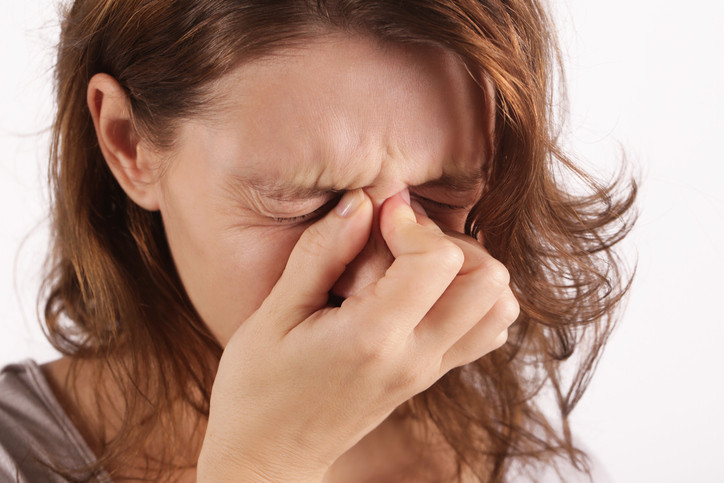
Nasal polyps are benign inflammatory swellings that arise from the mucous membrane of the nose and paranasal sinuses. They are usually soft, smooth, pale, or translucent and may appear grape-like when multiple polyps develop.
Small polyps may not produce noticeable symptoms. However, when they grow or occur in groups, they can obstruct the nasal passages and interfere with normal nasal functions. Nasal polyps are not contagious and are not the same as cancerous growths.
How Do Nasal Polyps Develop?
The development of nasal polyps is closely associated with chronic inflammation of the nasal and sinus mucosa. Repeated or persistent inflammation causes changes in the mucosal lining—inflammatory cells accumulate in the tissue, and fluid collects within the mucosa, producing oedematous swelling.
Over time, this swollen tissue gradually protrudes into the nasal cavity or sinus openings, eventually forming polyps. This inflammatory process often involves type 2 inflammation, in which immune cells and inflammatory mediators such as eosinophils and interleukins contribute to persistent mucosal swelling. Nasal polyps are frequently associated with chronic rhinosinusitis with nasal polyps (CRSwNP).
Causes of Nasal Polyps
The exact cause of nasal polyp formation is not completely understood. However, several underlying conditions and factors are closely associated with their development:
- Chronic sinusitis
- Allergic rhinitis
- Bronchial asthma
- Aspirin-exacerbated respiratory disease (AERD)
- Recurrent respiratory inflammation
- Genetic and immune factors
Symptoms of Nasal Polyps
Symptoms vary depending on the size, number, and location of the polyps. Common symptoms include:
- Persistent nasal obstruction or blockage
- Difficulty breathing through the nose
- Reduced or complete loss of the sense of smell (anosmia)
- Reduced ability to appreciate the taste of food
- Persistent runny nose and postnasal drip
- Frequent sneezing
- Facial pressure, discomfort, or a sensation of heaviness in the face or forehead
- Headaches
- Recurrent sinus infections
- Snoring and disturbed sleep
Homeopathic Management of Nasal Polyps: An Individualised Approach
Homeopathy follows an individualised system of prescribing. Rather than considering only the name of a disease, a homeopathic practitioner aims to understand the complete symptom picture of the individual.
In a patient presenting with nasal polyps, the practitioner does not evaluate nasal obstruction, sneezing, discharge, or loss of smell in isolation. Instead, the patient’s overall physical constitution, general tendencies, mental characteristics, emotional responses, and personal experiences are all explored—an approach commonly described as constitutional homeopathic treatment.
Why Individualisation Matters
Two individuals may share the same diagnosis of nasal polyps yet present with entirely different symptom patterns and personal characteristics. For example:
- Case 1: A patient experiences severe nasal blockage, dryness, and difficulty sleeping.
- Case 2: Another presents with profuse nasal discharge, frequent sneezing, and heightened sensitivity to environmental changes.
- Case 3: A third patient complains primarily of loss of smell, recurrent sinusitis, and headaches.
Their mental and emotional characteristics—such as temperament, fears, and stress responses—may also differ significantly. Homeopathic individualisation carefully evaluates these distinctions during case-taking so that a remedy is selected based on the whole person rather than a diagnostic label alone.
Key Takeaway: Because nasal polyps can recur even after surgical removal, long-term monitoring and management of underlying inflammation remain essential. While conventional care focuses on reducing polyp size and local inflammation, classical homeopathy offers an individualised approach aimed at addressing the person’s overall constitutional susceptibility.
Get online consultation for Nasal Polyps, from experienced doctors at Samagra Homoeopathic Hospital. Worldwide medicine delivery available.
About the Author
Dr Deepa Ramanath
Consultant
BHMS
Samagra Homoeopathic Hospital
Online Consultation Available Worldwide